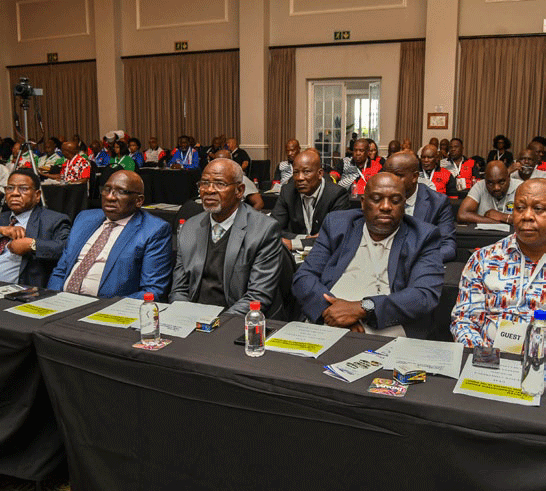
More than 117 delegates from 12 affiliated taxi associations attended the United Taxi Front’s (UTAF) 2026 elective conference, held recently at the Indaba Hotel in Fourways, Gauteng.
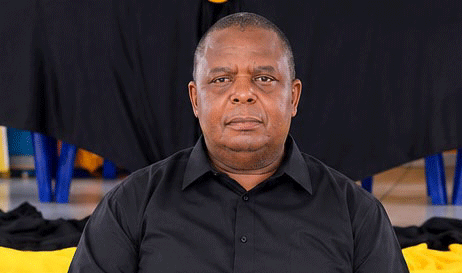
Delegates elected Zweli Mchunu as chairperson, expressing confidence in his leadership as the organisation rebuilds following the deaths and resignations of several leaders.
These leadership challenges prompted UTAF to convene an early elective conference.
According to re-elected secretary-general Thami Buthelezi, the conference was originally scheduled for May 2027 but was brought forward following the deaths of chairperson Thamsanqa Moyo and deputy chairperson Joseph Ngubane.
“Circumstances forced us, as the mother body, to convene the elective conference a year early. The term of the executive elected in Durban in 2022 was due to end only in May 2027,” he said.
Buthelezi said the executive members resigned because of issues within their primary associations, rather than problems with UTAF itself.
“Deputy secretary Innocent Maseko, government liaison officer Netta Greef, grievance officer T. Thabanyana, public relations officer Sihle Makhanya and disciplinary committee officer Eleck Khanyi resigned because of matters involving their individual taxi associations, not UTAF,” he clarified.
“Together, these factors made an early conference necessary. Only five members of the executive committee elected in Durban in 2022 remained, which affected UTAF’s operations,” he said.
Buthelezi said UTAF could not wait another year to stabilise the organisation and give a newly elected leadership a fresh mandate.
“We could not wait another year to fill the vacant posts and seek a new mandate to govern the affairs of the mother body.
“The five remaining members did not have a mandate to run the organisation. They were secretary-general Thami Buthelezi, training officer Philemon Nzima, social and development officer Julia Vilakazi, head of business Zwelakhe Welcome Mchunu and treasurer Senzo Ngubane.
“With only five of the 13 executive committee members remaining, we did not have a quorum to manage the organisation’s affairs. This affected UTAF’s ability to serve its member taxi associations, “he said.
He added that many of the challenges that weakened UTAF and limited its effectiveness emerged after the 2022 elective conference in Durban.
“Internal conflicts developed among UTAF’s affiliated associations, leading some of them to leave the organisation,” he said.
Buthelezi says UTAF’s member associations challenges also included illegal operators of seven-seater vehicles operating on established routes, competition from e-hailing services, reduced passenger numbers during the COVID-19 pandemic, retrenchments, rising fuel and operating costs, difficulty meeting vehicle instalments, repossessions and operating-licence backlogs.
He says operating licenses applications that should have taken three months to issue takes longer.
“Taxi operators are faced with a challenge of operating licenses back logs. In certain cases, applicants had to wait longer than necessary. Sometimes it takes a year or longer to issue because of inefficient government systems,” he said.
Turning to Shesha, an e-hailing company that received financial support from the Gauteng Taxi Industry Trust to help taxi operators compete with Bolt, Uber and other platforms, Buthelezi said the industry remains hopeful that the initiative will be revived.
“Our provincial structures, SANTACO and the NTA, must revive Shesha so that it can compete on equal terms with Bolt, Uber and other e-hailing services,” he said.
The executive committee led by Zwelakhe Mchunu has identified the following priorities:
- Strengthen UTAF’s organisational capacity to serve member
structures - Re-engage associations that have left UTAF
- Develop ways to participate and compete in the e-hailing market
- Adopt technology across the taxi industry
- Improve taxi operations
- Strengthen customer care and safety campaigns
After his election as chairperson, Mchunu thanked delegates, business partners and everyone who contributed to the conference’s success. He pledged to serve UTAF as it begins a challenging but promising new chapter. The new executive’s term runs until 2031.
FACT SHEET:
The United Taxi Association Front (UTAF) is a major regional taxi organisation affiliated with the National Taxi Alliance (NTA) and the Gauteng National Taxi Alliance (GNTA).
- Bara-City Taxi Association
- Bara-Meadowlands Taxi Association
- Phefeni Wescol Taxi Association
- Meadowlands Dube North Taxi Association (MDN)
- Witwatersrand Taxi Association (WATA)
- Soweto Taxi Services (STS)
- Johannesburg Southern Suburbs Taxi Association (JSSTA)
- Lenasia United Taxi Association (LUTA)
- Leratong Randfontein Bara Taxi Association (LERABA)
- Orange Farm Taxi Association (OFUTA)
- Kopanang Basotho Taxi Association (KOBALTA)
- Sebokeng Internal Taxi Association (ITA)
- Moruleng & District Taxi Association (MODITA)